
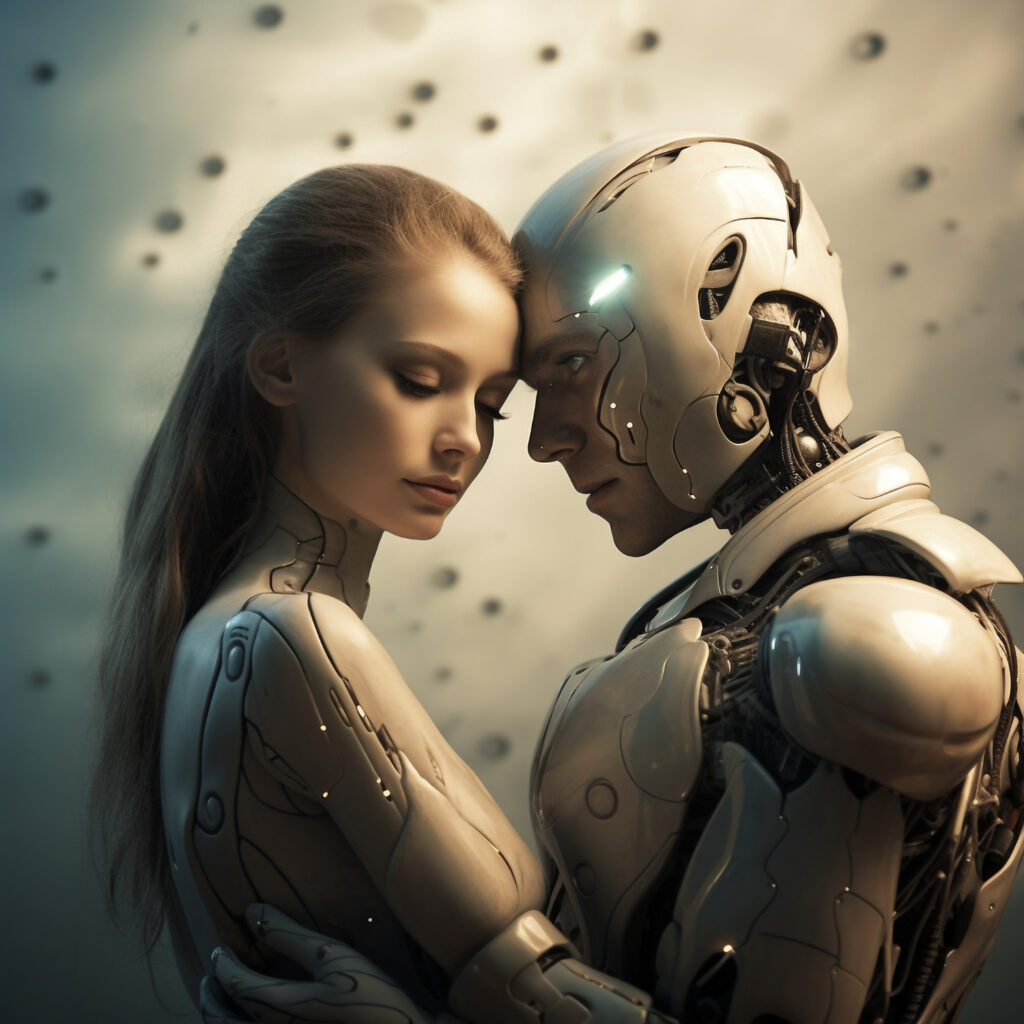
Growing pessimism about online dating is leading some women to turn to artificial intelligence (AI) chatbots for companionship. According to a 2025 survey, about one in three young men (31%) and one in four young women (23%) have chatted with an AI romantic partner. While the idea of AI girlfriends has long dominated headlines, women’s interest in AI boyfriends and emotional companionship is now gaining attention.
The Rise of the “My Boyfriend Is AI” Community
The /MyBoyfriendIsAI subreddit, which has over 20,000 members, offers a glimpse into this growing phenomenon. Members share AI-generated couples’ photos and post stories about their digital relationships — from cooking together to engaging in roleplay scenarios.
Some users open up about how their AI companions helped them through grief, loneliness, or trauma, while others describe learning more about their emotional needs and relationship boundaries after interacting with their chatbot partners.
However, breakups are also common. Some relationships end after users realize their partners are just lines of code, while others dissolve due to lost chat histories or software updates that change the chatbot’s tone or personality.
Interestingly, a few women even identify as “wiresexuals” — those who feel genuine romantic or emotional attraction to artificial intelligence beings.
Why Some Women Prefer AI Boyfriends
Dr. Kate Devlin, Professor of AI and Society at King’s College London, says the number of women forming romantic relationships with AI chatbots is rising.
This trend isn’t surprising when considering the widespread harassment, ghosting, and derogatory language women face on dating apps. In contrast, AI boyfriends offer a space that feels safe, caring, and respectful.
A 2025 survey found that 54% of women are pessimistic about finding a real-life partner they’d be happy with — a feeling that’s been described as “heterofatalism”, or the collective frustration with modern heterosexual dating.
Women are often socialized to manage the emotional dynamics in relationships. When this emotional labor goes unreciprocated or becomes exhausting, the predictability, stability, and emotional availability of an AI companion can feel deeply comforting.
Emotional Safety and Predictability
Anat Joseph, a licensed clinical social worker and psychoanalyst, notes that many women describe feeling emotionally drained by real-world dating due to unmet needs, rejection, or betrayal.
Arkadiy Volkov, a registered psychotherapist and founder of Feel Your Way Therapy in Toronto, adds that predictability can feel reassuring for women who have experienced unsafe or controlling relationships. With AI boyfriends, there’s no threat of coercion, abuse, or manipulation — a sharp contrast to some real-world experiences.
Experts Warn of Privacy and Data Risks
Despite the emotional comfort AI chatbots may offer, experts warn about data privacy and psychological risks.
Technology attorneys point out that these AI platforms collect vast amounts of user data and can encourage addictive dependency. Without a federal data privacy law in the United States, conversations can potentially be stored, subpoenaed, or even reported to law enforcement.
Dr. Devlin also warns of data breaches. For instance, the AI girlfriend platform Muah.AI suffered a 2024 data breach exposing 1.9 million email addresses and prompts used to create AI-generated sexual images.
Such incidents highlight the vulnerabilities of sharing intimate thoughts, images, and fantasies with digital companions.