
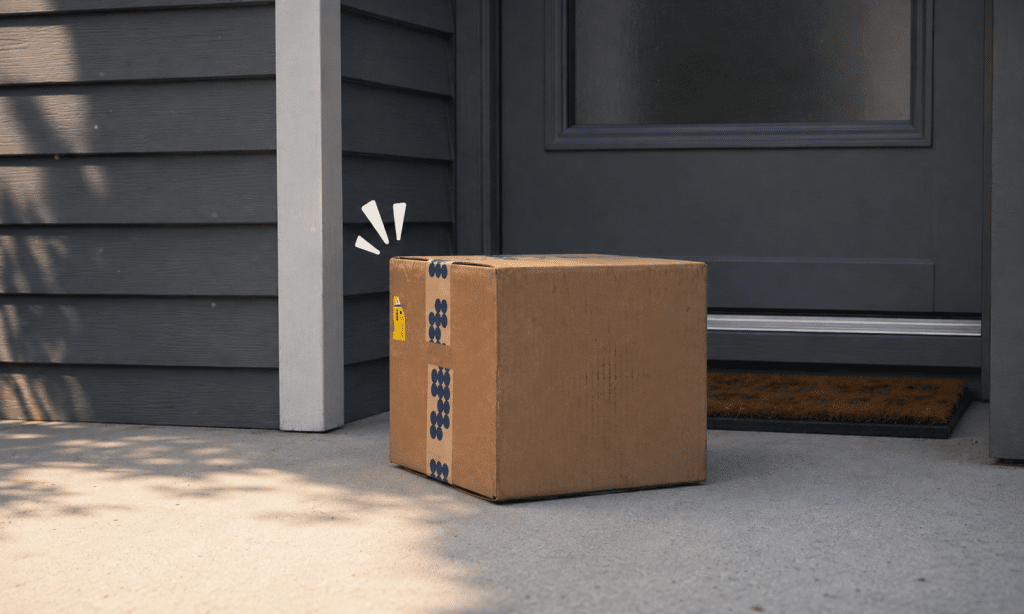
A brushing scam occurs when someone receives an unexpected package they never ordered. Scammers or dishonest online sellers may send inexpensive products to real addresses so they can create fake transactions and post positive reviews, making their products appear more popular and trustworthy.
How Does a Brushing Scam Work?
Fraudsters may obtain a person’s name and mailing address from publicly available information, leaked data, or other sources. They then use that information to ship an item and make the transaction appear legitimate on an online marketplace.
Some brushing scams can also involve packages containing QR codes that encourage recipients to scan them. Consumers should be cautious because unknown QR codes may direct them to phishing websites designed to collect login credentials, payment information, or other personal data.
What Should You Do?
If you receive a package you did not order, avoid scanning unfamiliar QR codes or following suspicious instructions included with it. Check your shopping and financial accounts for unauthorized activity, update passwords if necessary, and report suspicious packages or transactions to the retailer involved.
Although a mystery package may seem harmless, it could be a warning that your personal information is being misused.