
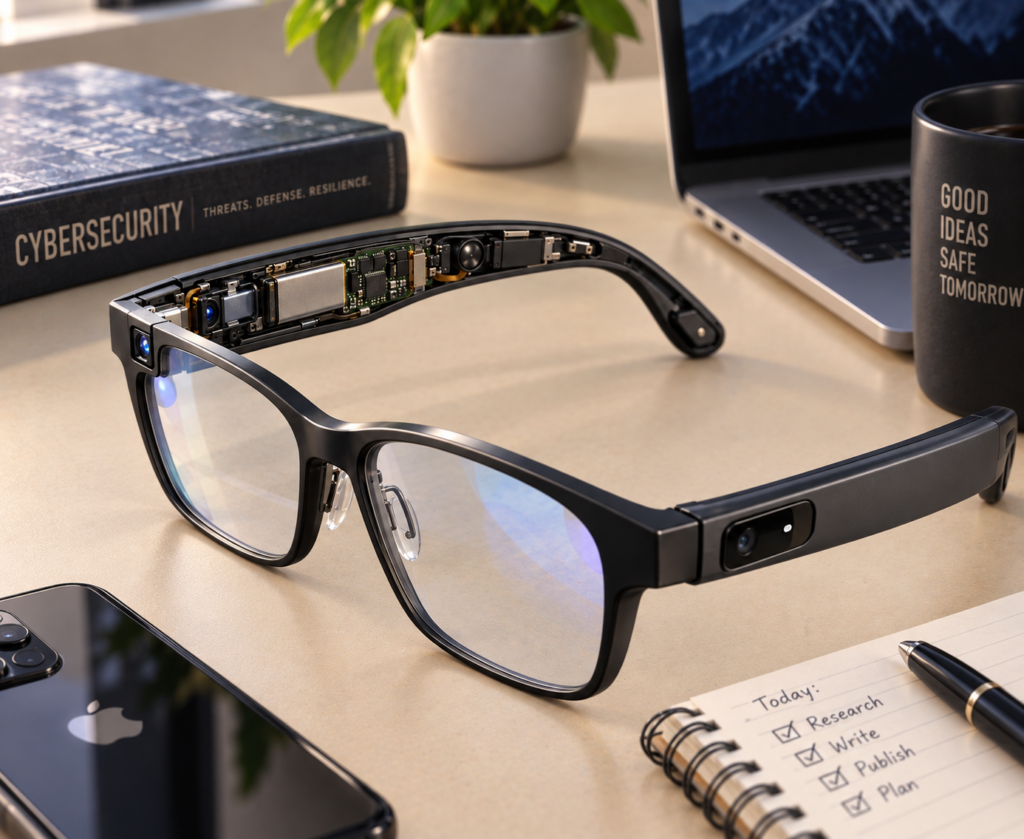
Paris prosecutors have opened a criminal investigation following complaints that smart glasses were allegedly used to secretly record women in public. The investigation comes as wearable cameras become increasingly common and raises new questions about privacy, consent, and how easily everyday technology can be used to capture unsuspecting people.
According to Reuters, authorities have launched at least one investigation into suspected sexual harassment connected to the recordings. Prosecutors have not publicly identified the brand of smart glasses involved. The reported incidents are linked to a social media trend in which men approach women in public while discreetly recording their interactions and later post the footage online. Some prank and pickup-style content creators have reportedly used similar methods to capture encounters and dates.
The Paris prosecutor’s office has also asked its cybercrime unit to examine smart glasses and better understand how the technology could potentially facilitate criminal activity. Unlike holding up a smartphone, glasses equipped with cameras can make recording less noticeable, potentially leaving people unaware that video is being captured.
SMART GLASSES RAISE PRIVACY CONCERNS WORLDWIDE
The controversy extends far beyond Paris. As camera-equipped glasses and other wearable devices become more widely available around the world, people may increasingly encounter cameras in restaurants, workplaces, stores, public transportation, schools, gyms, and other shared spaces without immediately realizing they are being recorded.
Privacy laws vary significantly by country and jurisdiction, and recording someone in a public place is not automatically illegal everywhere. However, secretly recording people in sensitive circumstances or publishing footage online can raise additional issues involving privacy, harassment, data protection, platform policies, and consent.
The challenge for technology companies and regulators will be balancing useful features such as hands-free photography and video with protections against misuse. Visible recording indicators, stronger privacy controls, clearer policies, and public awareness could become increasingly important as smart glasses move from niche gadgets into everyday life.